
Fréttir
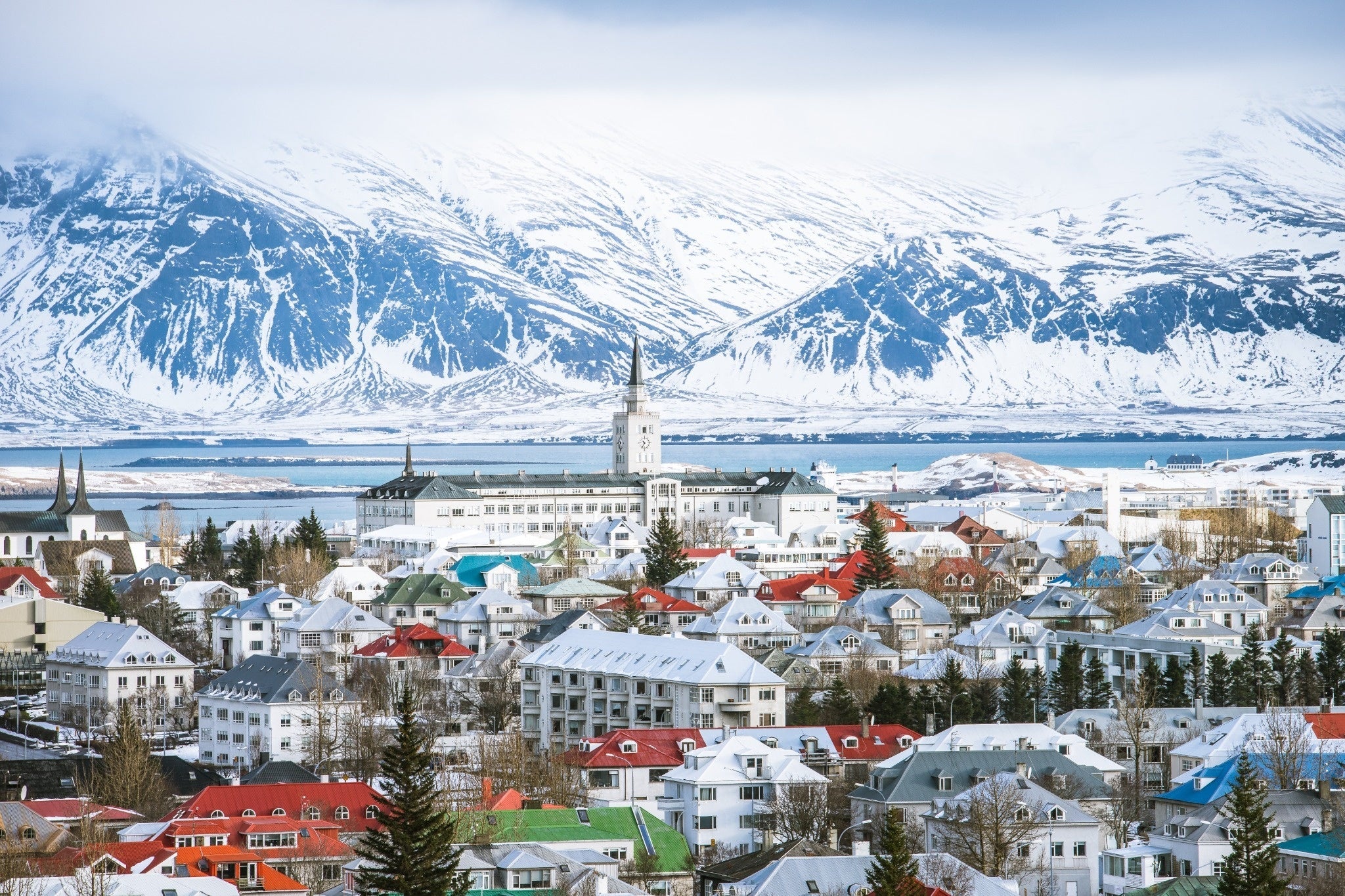
Reykjavik isn’t just the gateway to Iceland’s wild landscapes—it’s a vibrant, cosmopolitan city that pulses with creativity, history, and unexpected adventures. While its compact size makes it eminently walkable, every corner reveals new layers: from centuries-old heritage to cutting-edge design, from geothermal backyards to thriving cultural scenes. Here’s a deep dive into everything Reykjavik has to offer.
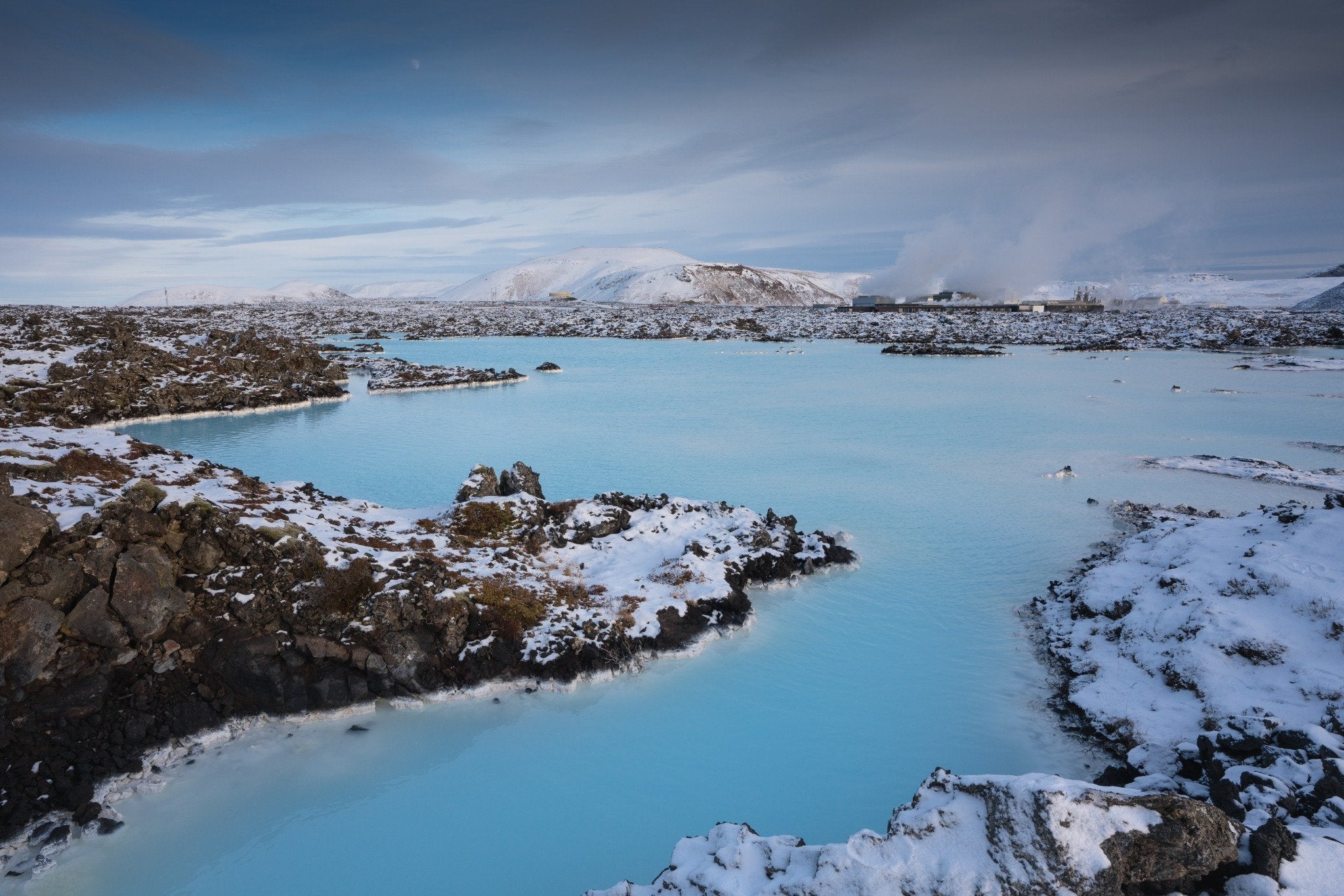
The Blue Lagoon began by chance in 1976 when the Svartsengi Geothermal Power Plant channeled superheated seawater through turbines and into the surrounding lava fields. Locals noticed that the mineral-rich runoff pooled in natural basins, and when a plant engineer with psoriasis bathed there, his skin improved dramatically. Today, the lagoon is both a world-class spa and a clinical treatment center, celebrated for its healing silica, algae, and salt waters.
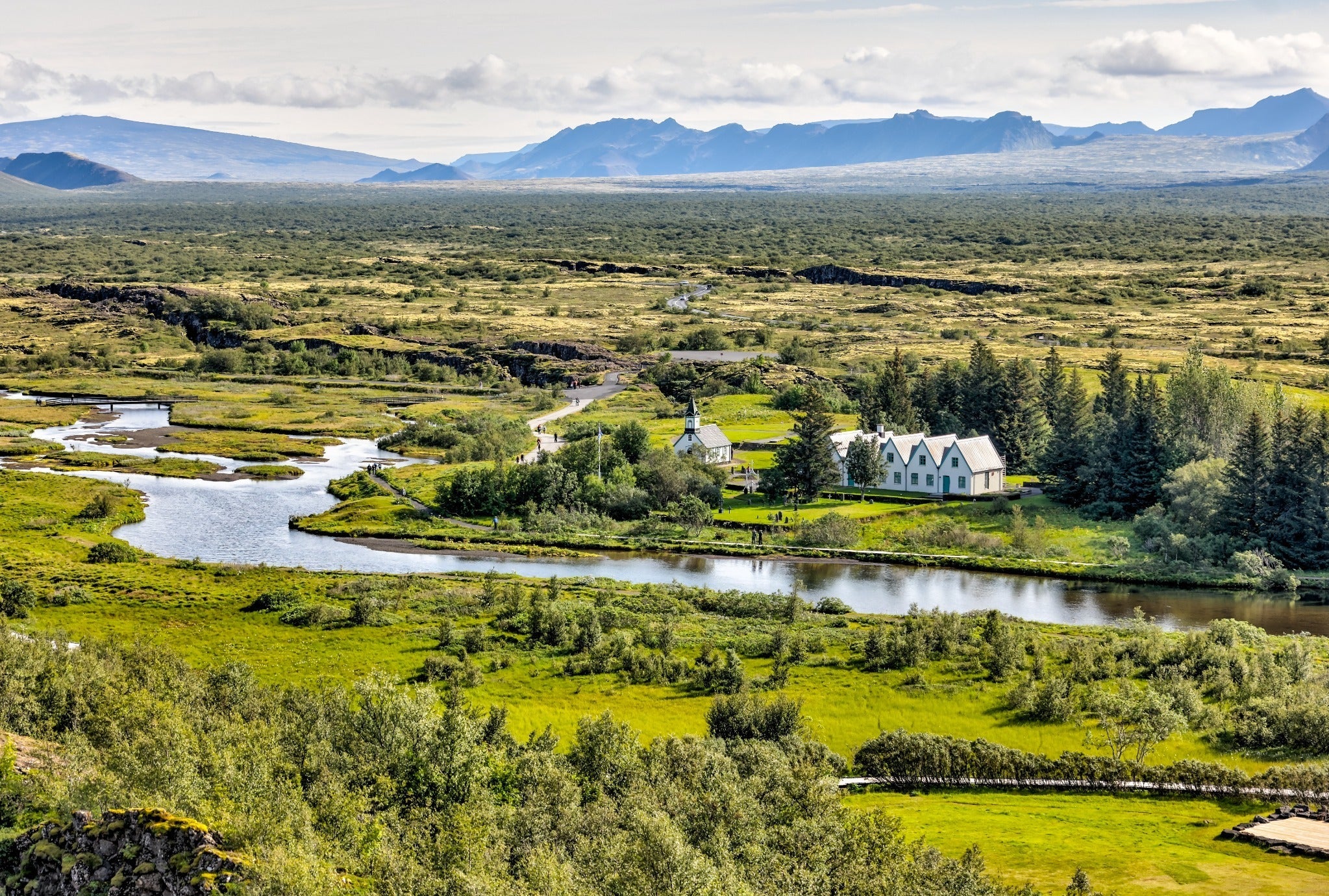
Nestled where the North American and Eurasian tectonic plates diverge, Þingvellir (Thingvellir) National Park is a place where Earth’s slow-motion drama unfolds in stark clarity. But beyond its breathtaking geology, Þingvellir carries the weight of Iceland’s identity—it was the original site of the world’s oldest continuous parliament and remains a symbol of Icelandic democracy and cultural heritage.
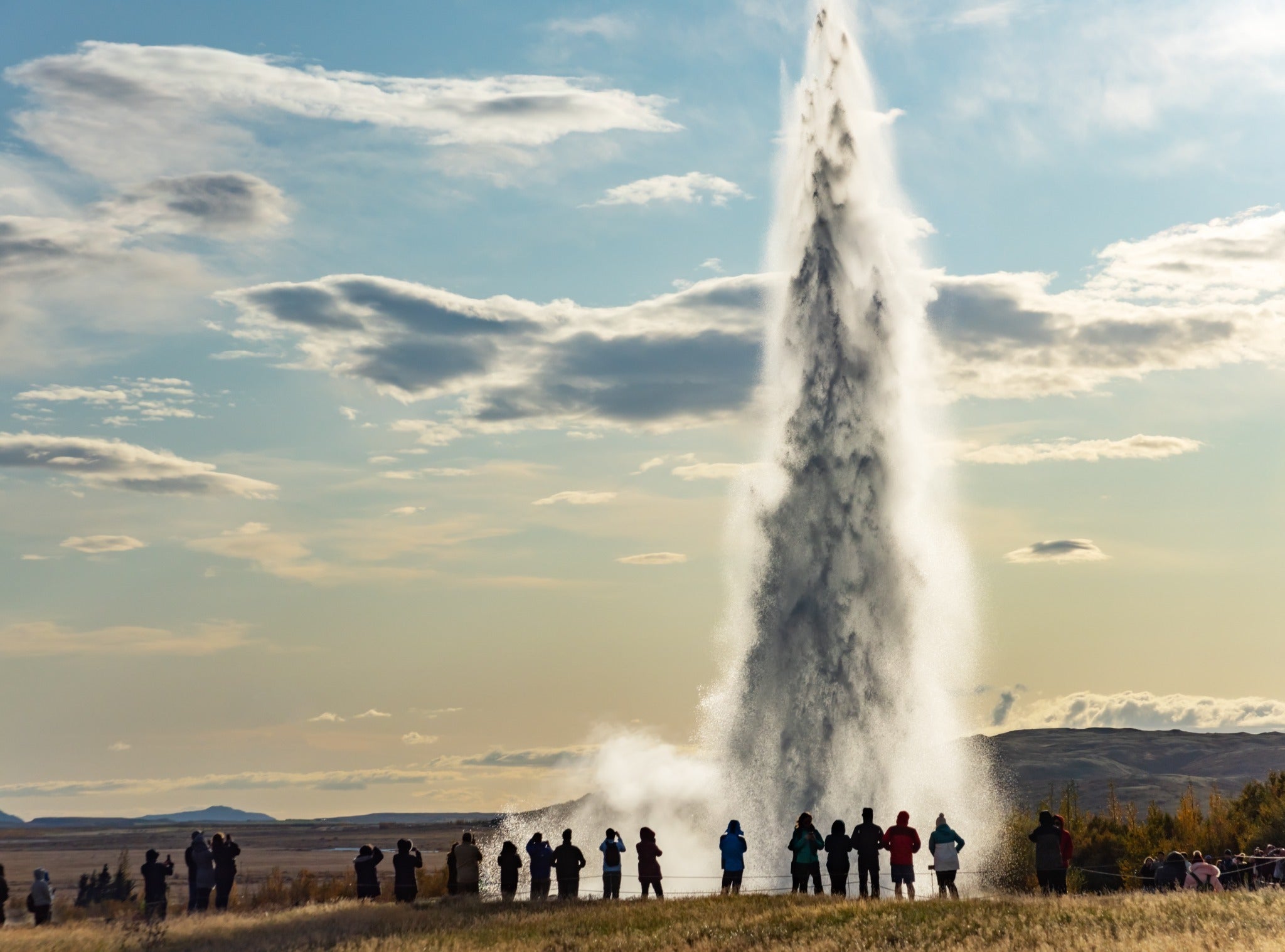
Geysir: The Fountain of Iceland’s Golden Circle
Tucked into the geothermal heart of the Haukadalur Valley, Geysir (often called The Great Geysir) is the source of the English word “geyser” and one of Iceland’s most legendary natural attractions. Though its namesake spout has become dormant in recent years, the surrounding geothermal field still delivers an otherworldly showcase of steam vents, hot springs, mud pots, and its more reliable neighbor, Strokkur.
Lesa meiraum Geysir: The Fountain of Iceland’s Golden Circle
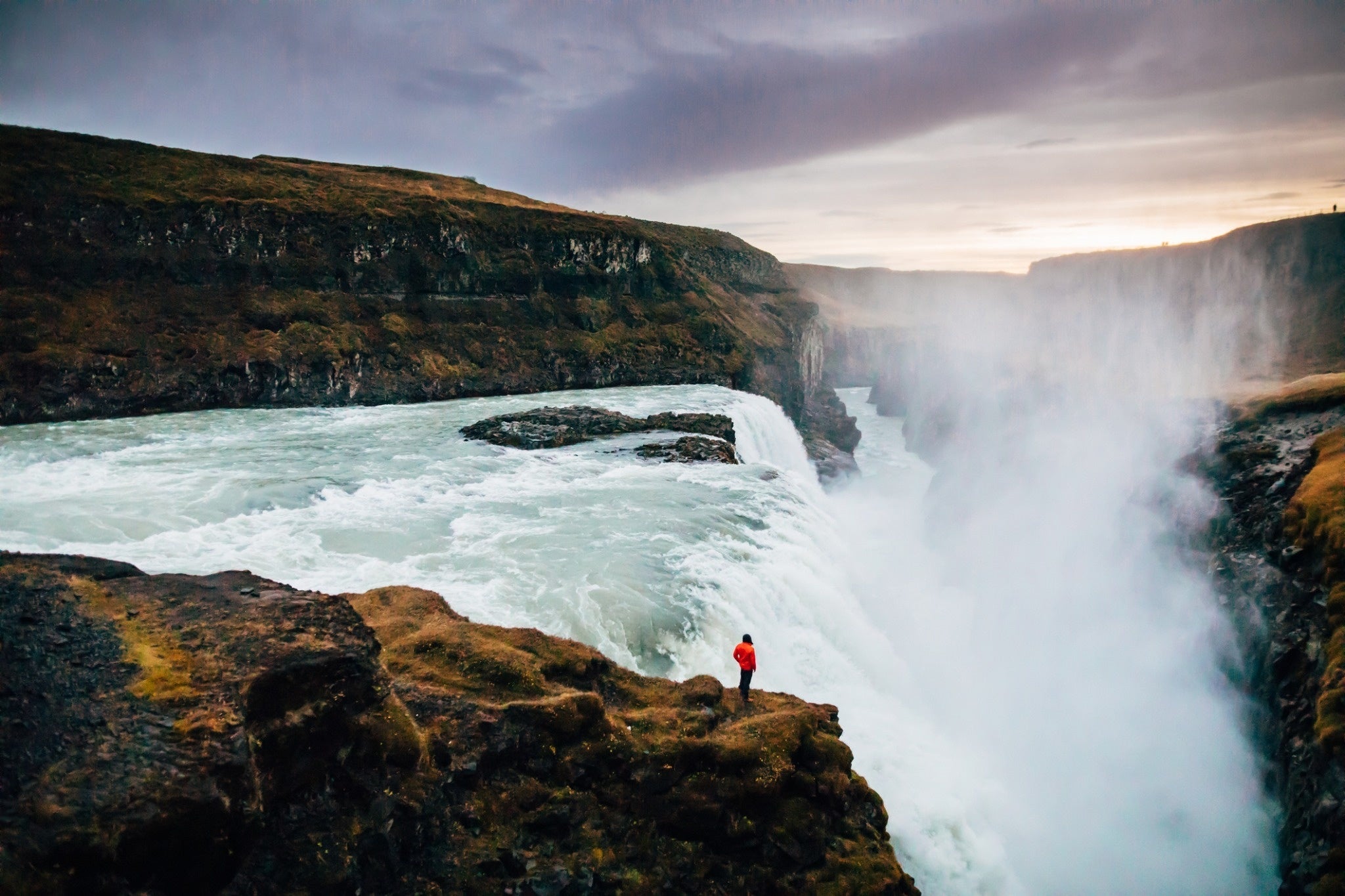
Gullfoss: Iceland’s Golden Waterfall
Carved by the mighty Hvítá River, Gullfoss (“Golden Falls”) plunges in two dramatic tiers into a narrow canyon, creating rainbows in its mist and echoing thunder across the rugged Highlands. As one of Iceland’s most iconic natural wonders, Gullfoss combines raw power with easy accessibility—making it a must-visit on the famed Golden Circle route.
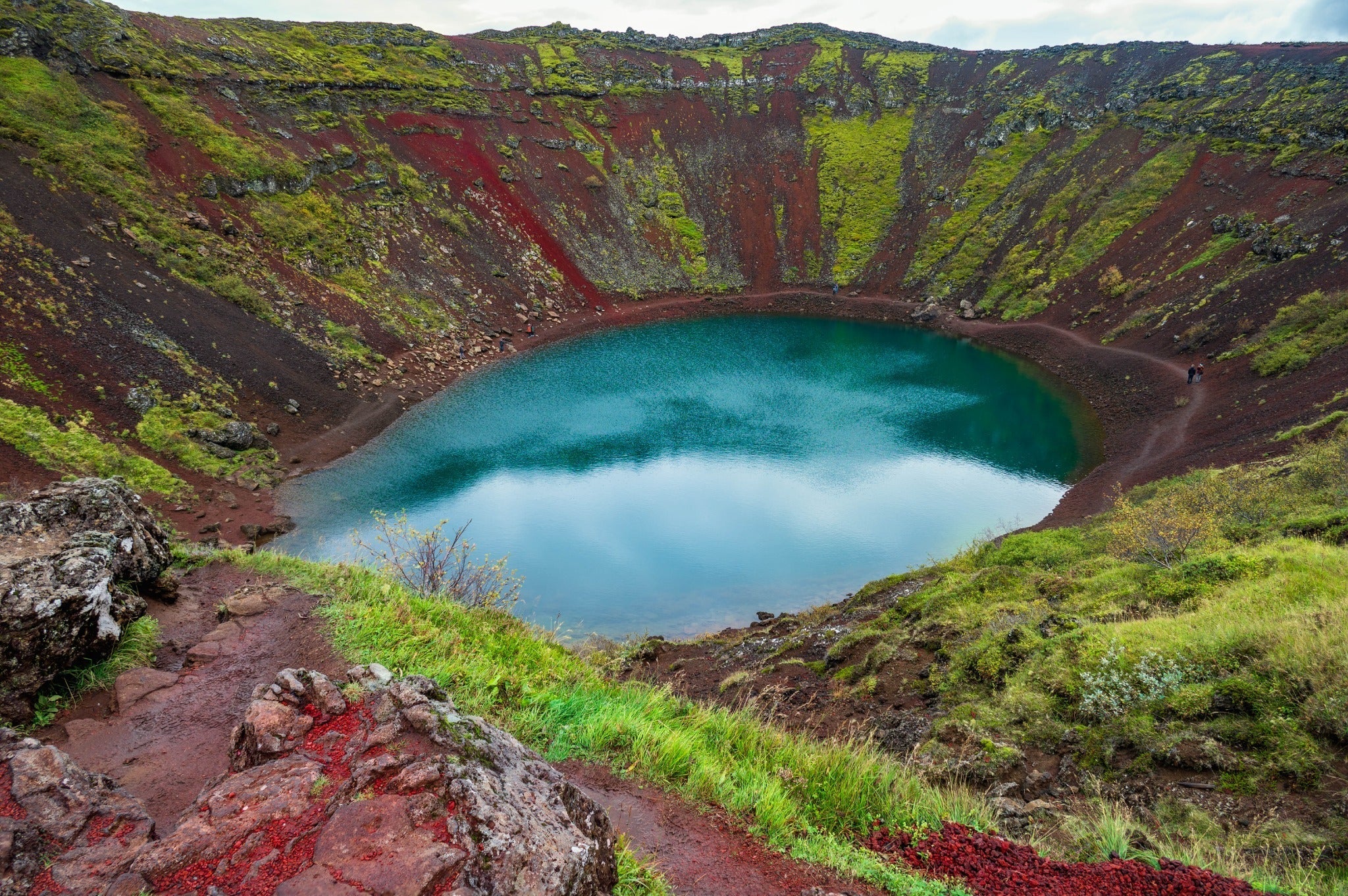
Crater: Iceland’s Vivid Volcanic Caldera
Carved by volcanic forces about 6,500 years ago, Kerið (often spelled Kerid) is one of Iceland’s most striking volcanic crater lakes. Nestled along the Golden Circle route on the South Iceland Seismic Zone, its steep red-and-black slopes frame a serene sapphire pool—creating a vivid contrast and a photographer’s dream.
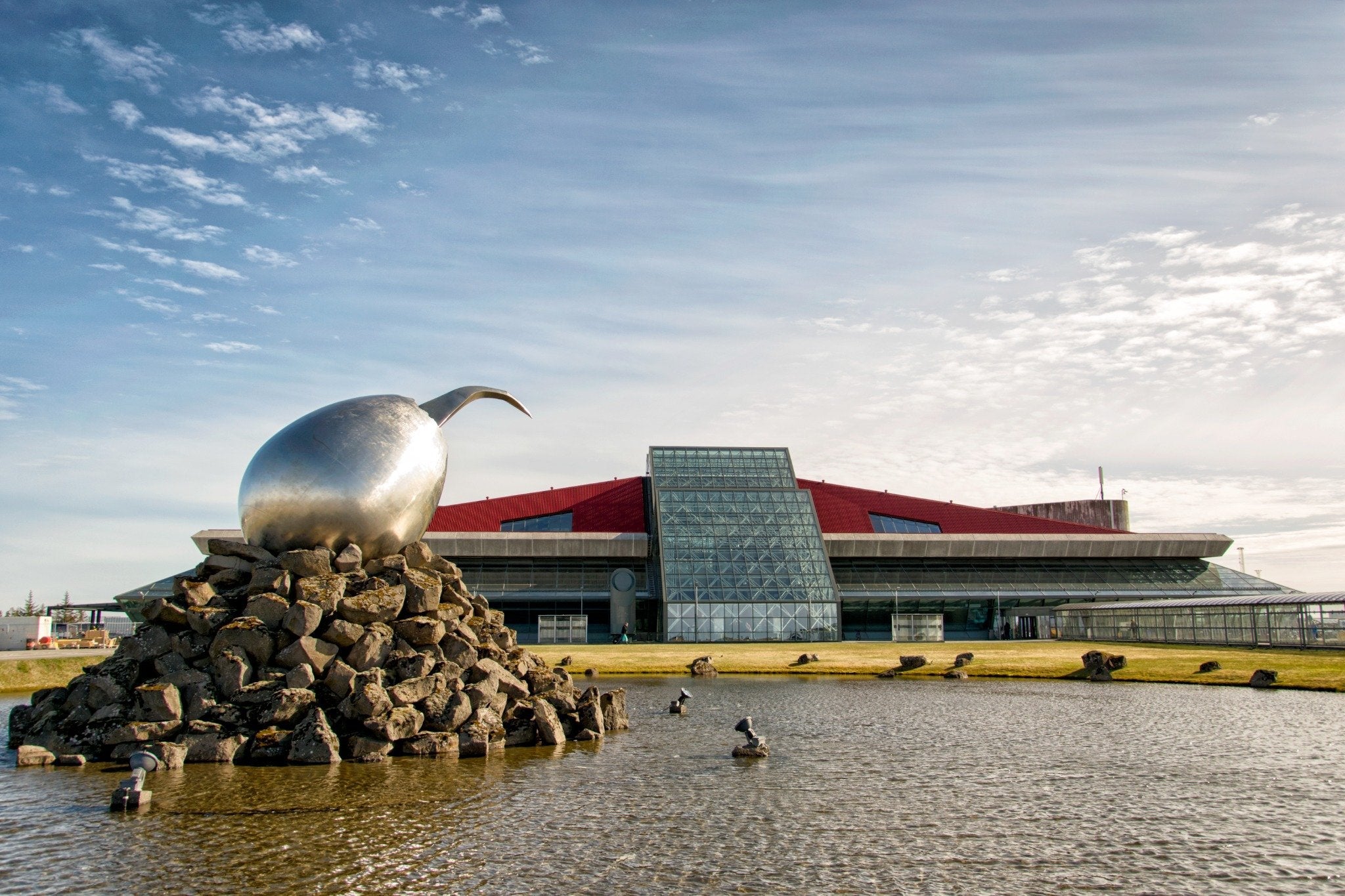
Keflavík: Iceland’s Coastal Gateway
Perched on the Reykjanes Peninsula, Keflavík is best known as Iceland’s international aviation hub—but this seaside town has its own character and attractions that deserve exploration beyond the airport terminal.
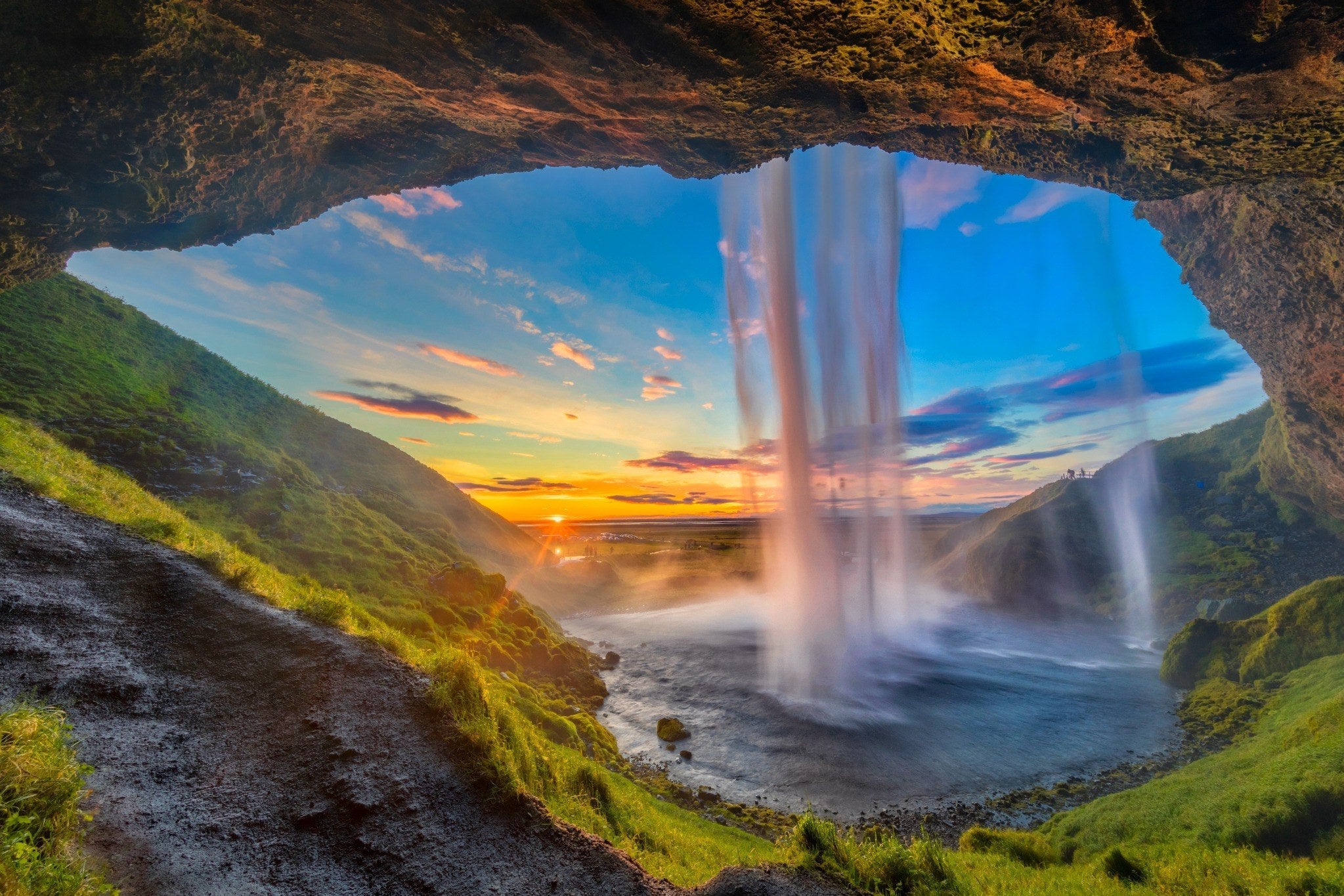
Seljalandsfoss: Iceland’s Iconic Cascade You Can Walk Behind
Along Iceland’s rugged South Coast, Seljalandsfoss stands out for its unique combination of power, grace, and accessibility. This 60-meter-high waterfall plunges from the former coastline cliffs of the Eyjafjallajökull volcano and offers visitors the rare opportunity to circle behind the curtain of water for a truly immersive experience.
Lesa meiraum Seljalandsfoss: Iceland’s Iconic Cascade You Can Walk Behind
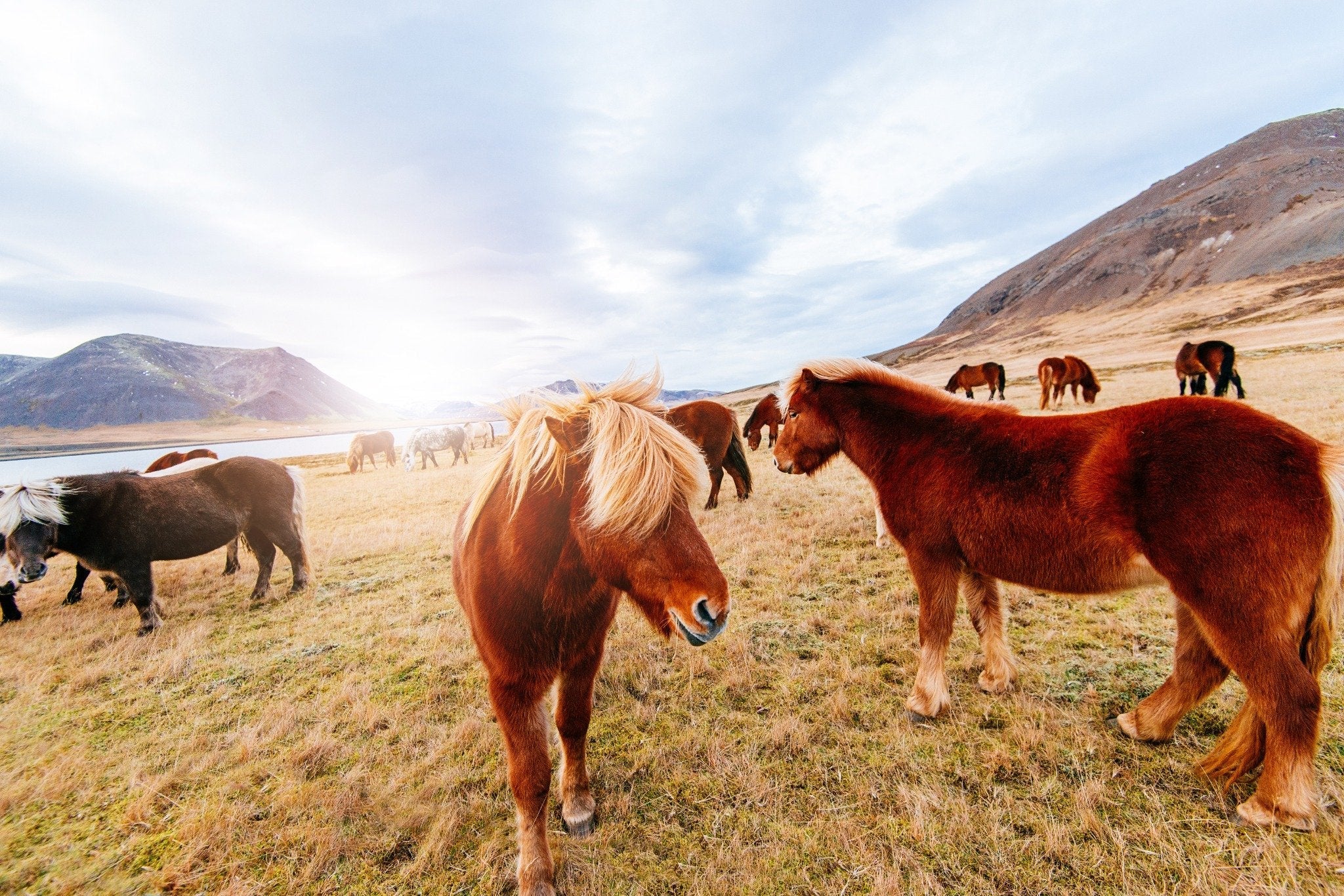
The Icelandic Horse – A Living Symbol of Iceland
Few animals are as deeply connected to Iceland’s identity as the Icelandic horse. Small in size but powerful in spirit, this unique breed has shaped Icelandic history for over a thousand years and remains one of the country’s most beloved national symbols.
Lesa meiraum The Icelandic Horse – A Living Symbol of Iceland